 РУ
РУ EN
EN
Showrooms
Design-led architecture for a distinctive brand presence in a permanent setting for product and sales.
Who It Is For
For manufacturers, brands, dealer networks and retailers that need more than a neutral sales floor — a distinctive environment for engaging customers, professional audiences and partners.
What the Client Buys
One defined commission: a single showroom. An Expo Playbook, rollout across a network, display development, procurement and implementation management are not automatically included.
Outcome
A space where architecture helps the product be seen, compared and understood, while the brand is expressed consistently through the visitor journey, materials, lighting and detail.
Process
- Immersion in the brand, product logic and audiences.
- Assessment of the site, timeline, budget and delivery route.
- Concept, space planning and visualisations.
- A project package with an agreed level of documentation.
- Selection of the procurement model for each category.
- Design supervision or implementation management as separate modules.
Accelerated Delivery
For suitable sites, core elements can be manufactured off-site and installed within a compressed programme. This is not a universal guarantee: dimensions, logistics, engineering interfaces, access and landlord requirements must be checked first.
Procurement
At the outset, one of three models is selected: supply by the studio’s procurement team for specific categories; paid procurement management; or client-led purchasing based on the project documentation.
Scaling
If the brief extends beyond one site and requires rules for a network, that is a separate product — an Expo Playbook or a spatial brand-presence system.
Selected Showrooms
Projects: 10
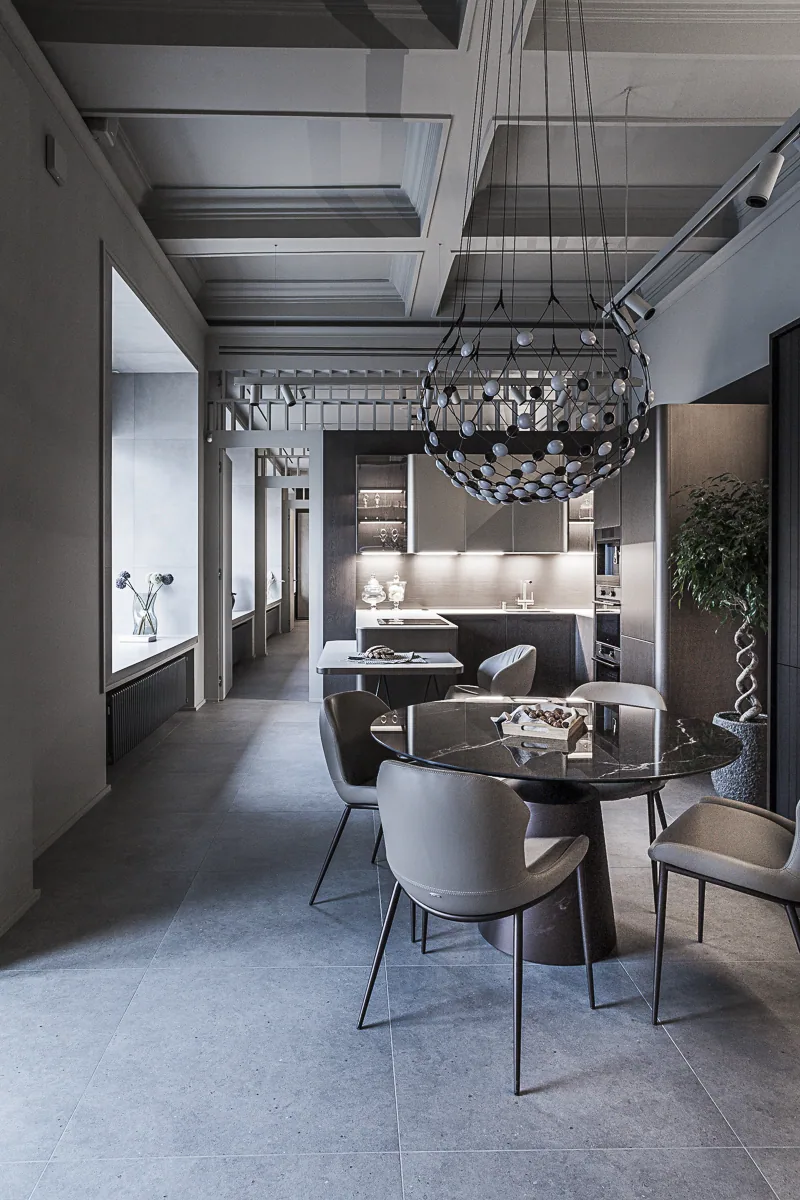
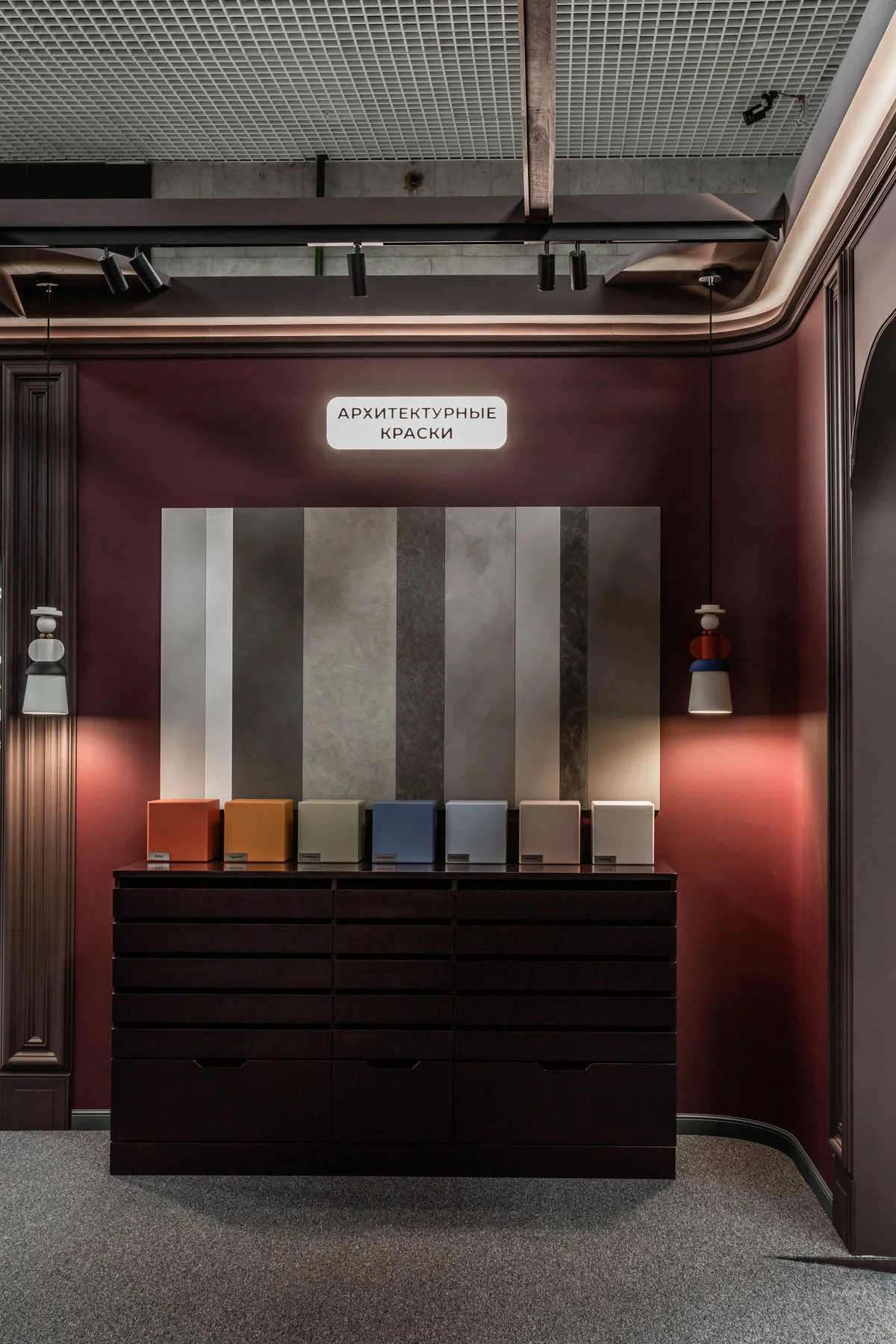
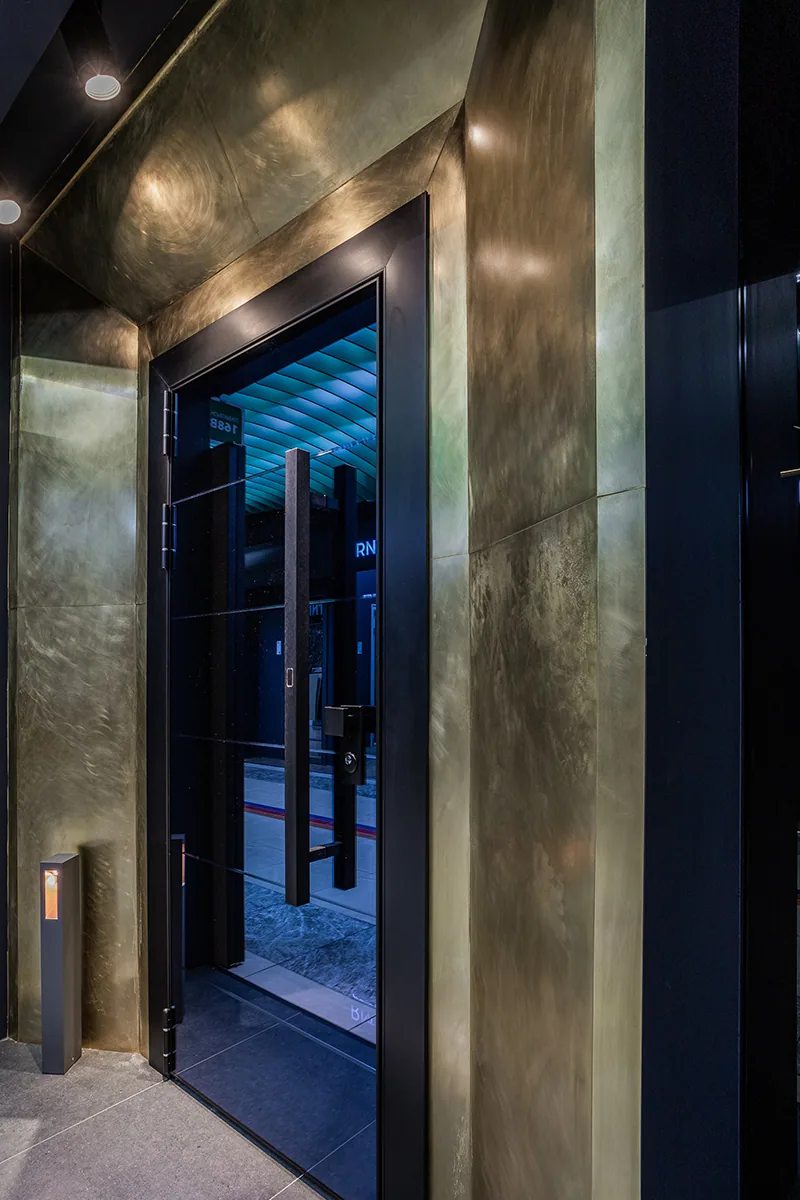
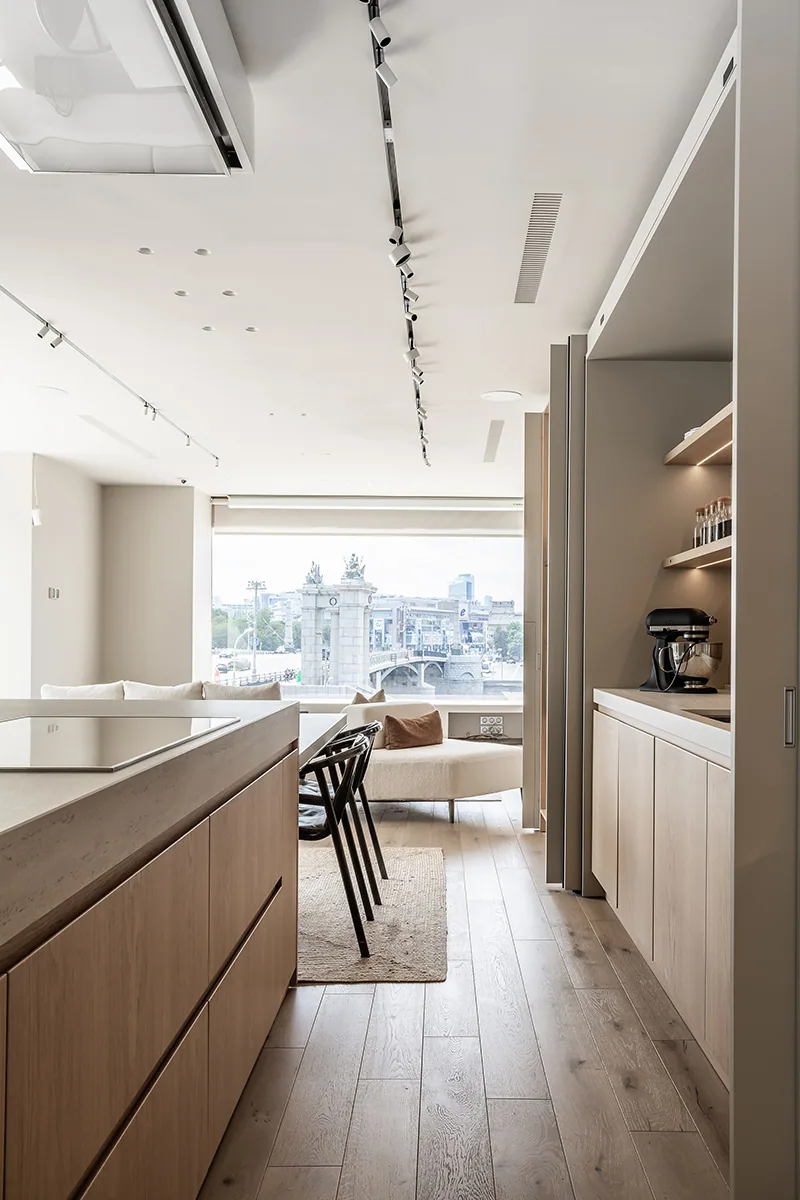
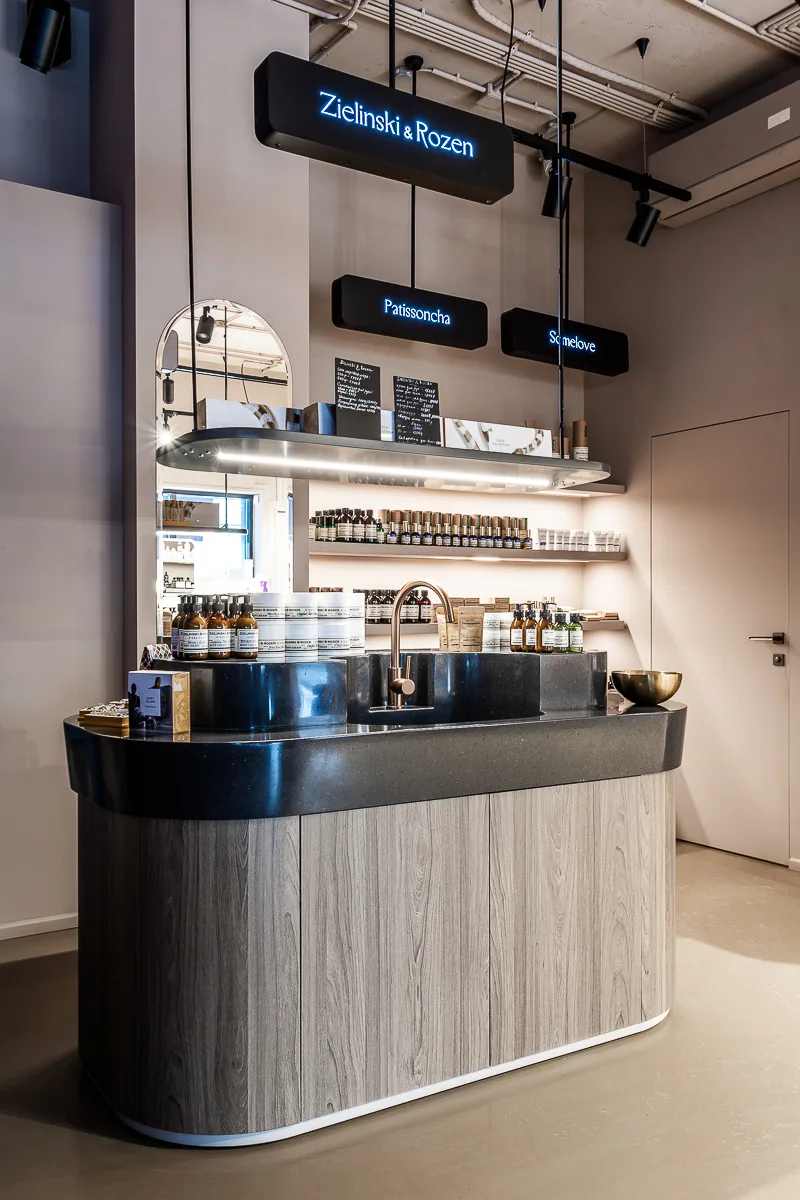
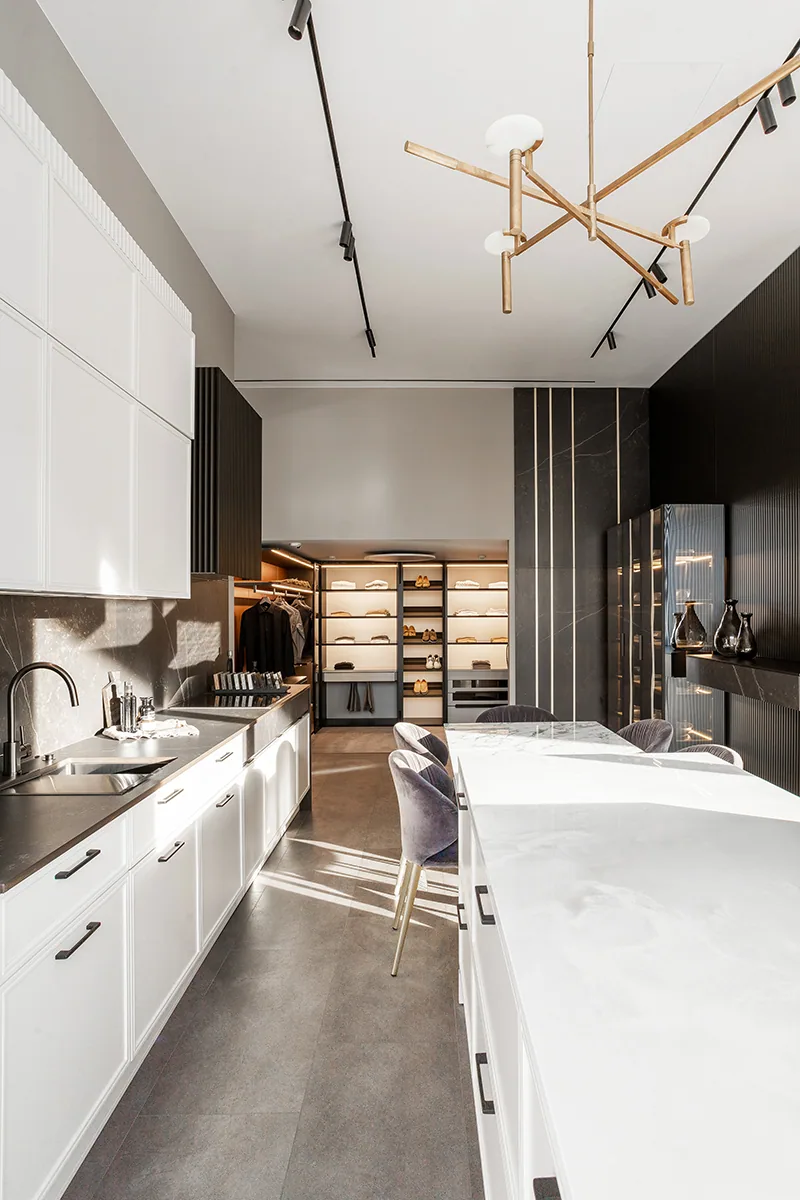

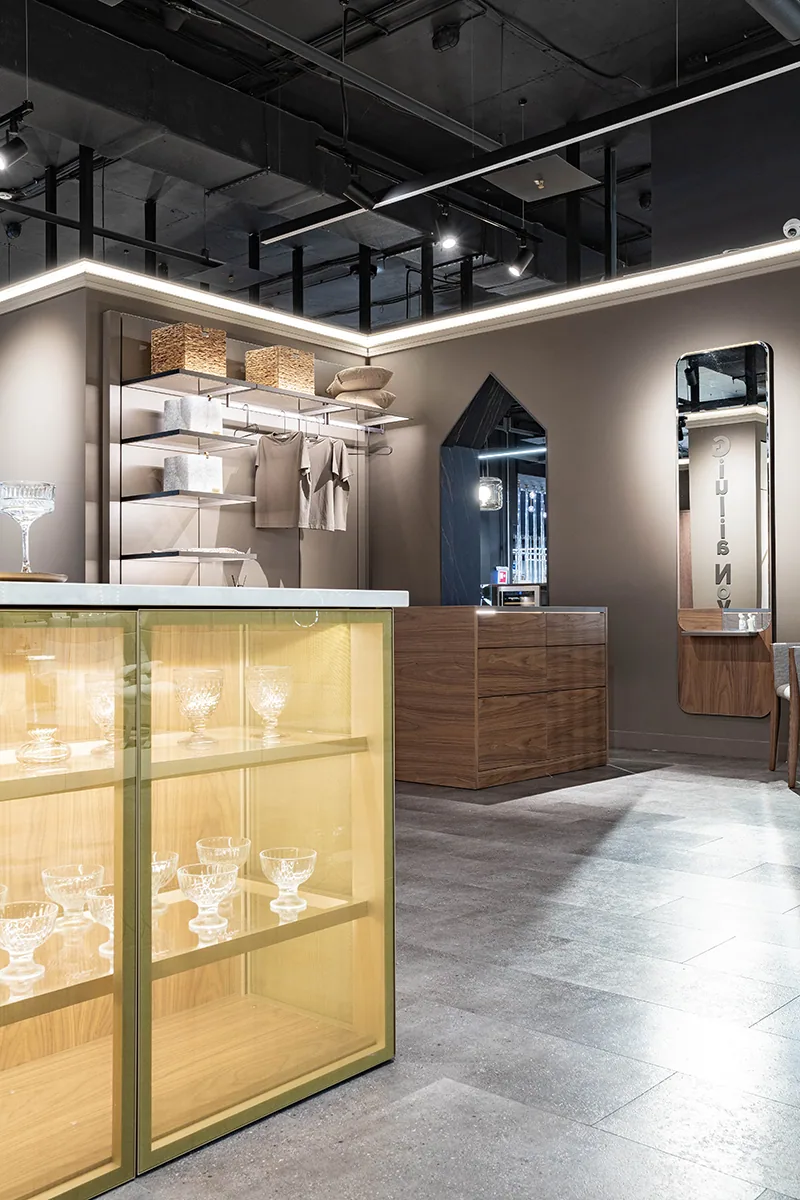
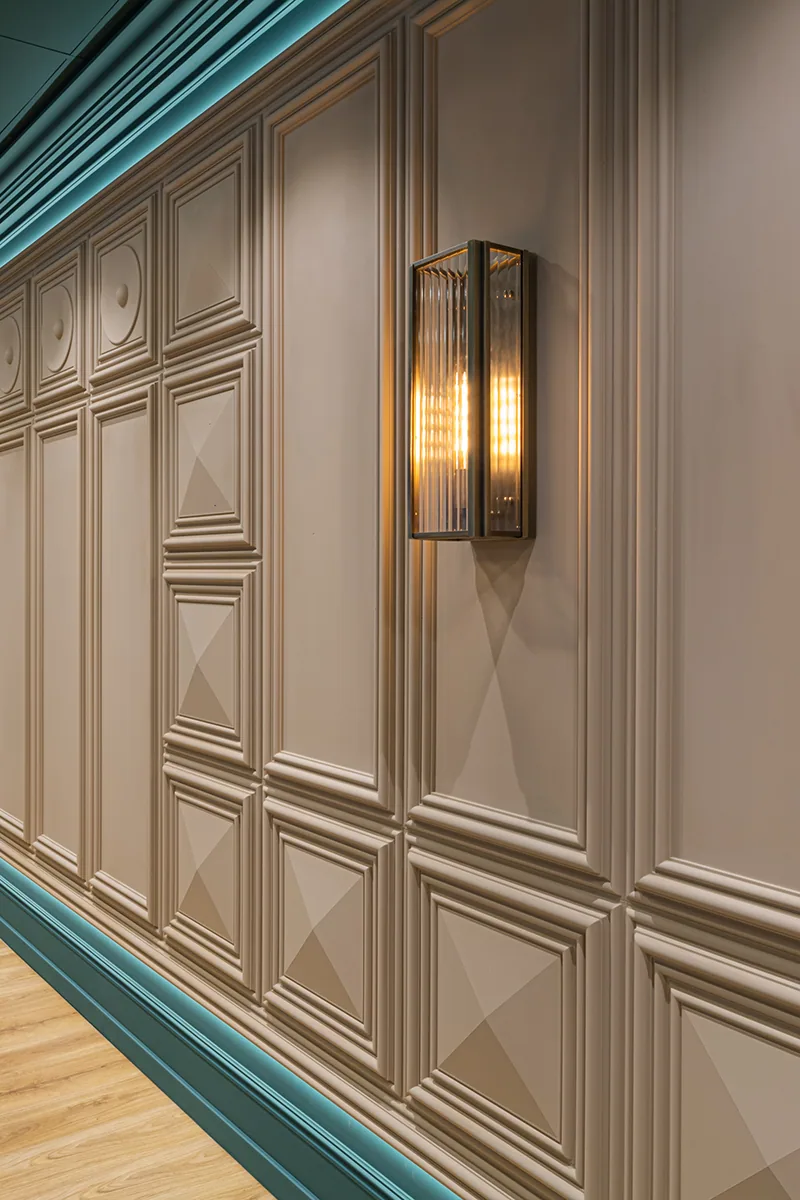
Showroom projects are being prepared for publication.
When Another Format Is a Better Fit
If the task calls only for cosmetic styling of an existing space, standard furniture procurement or rapid replication of an existing showroom without a new architectural brief, a full bespoke project may be excessive.