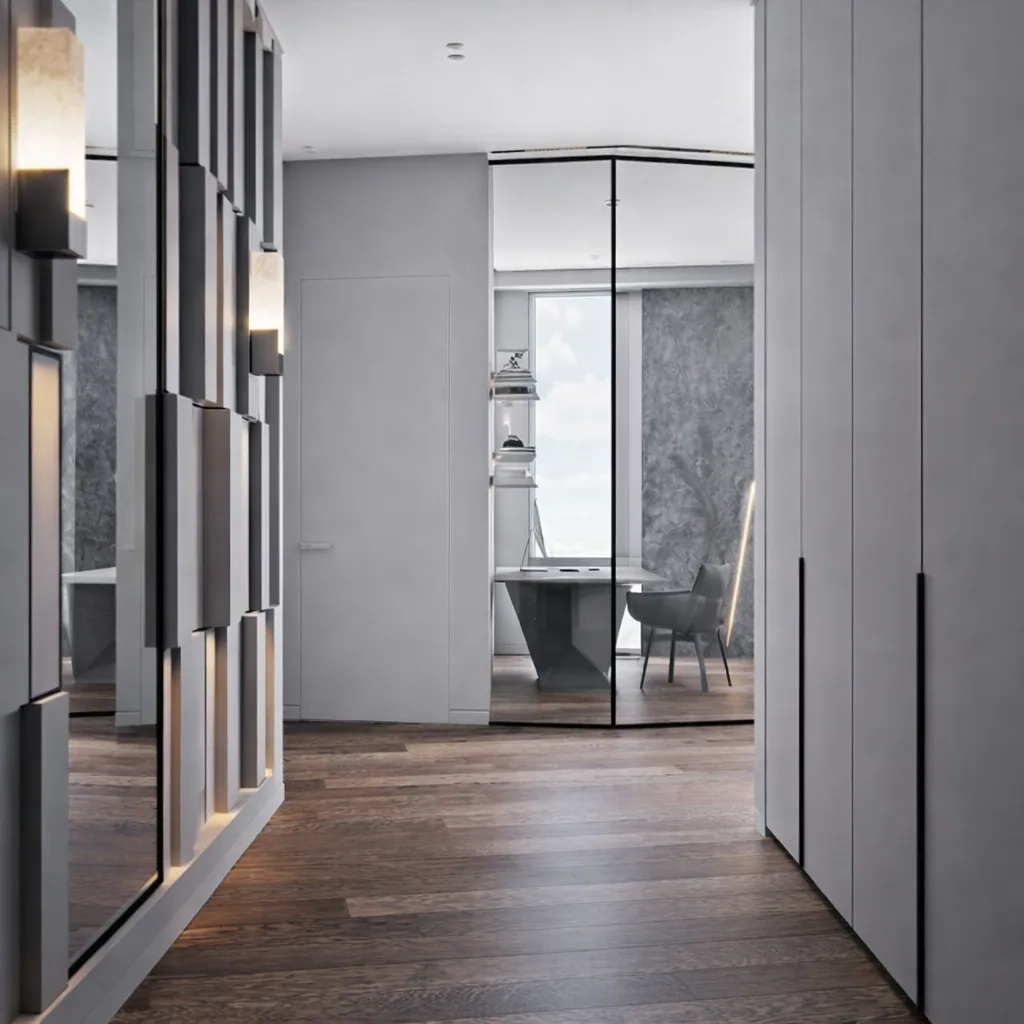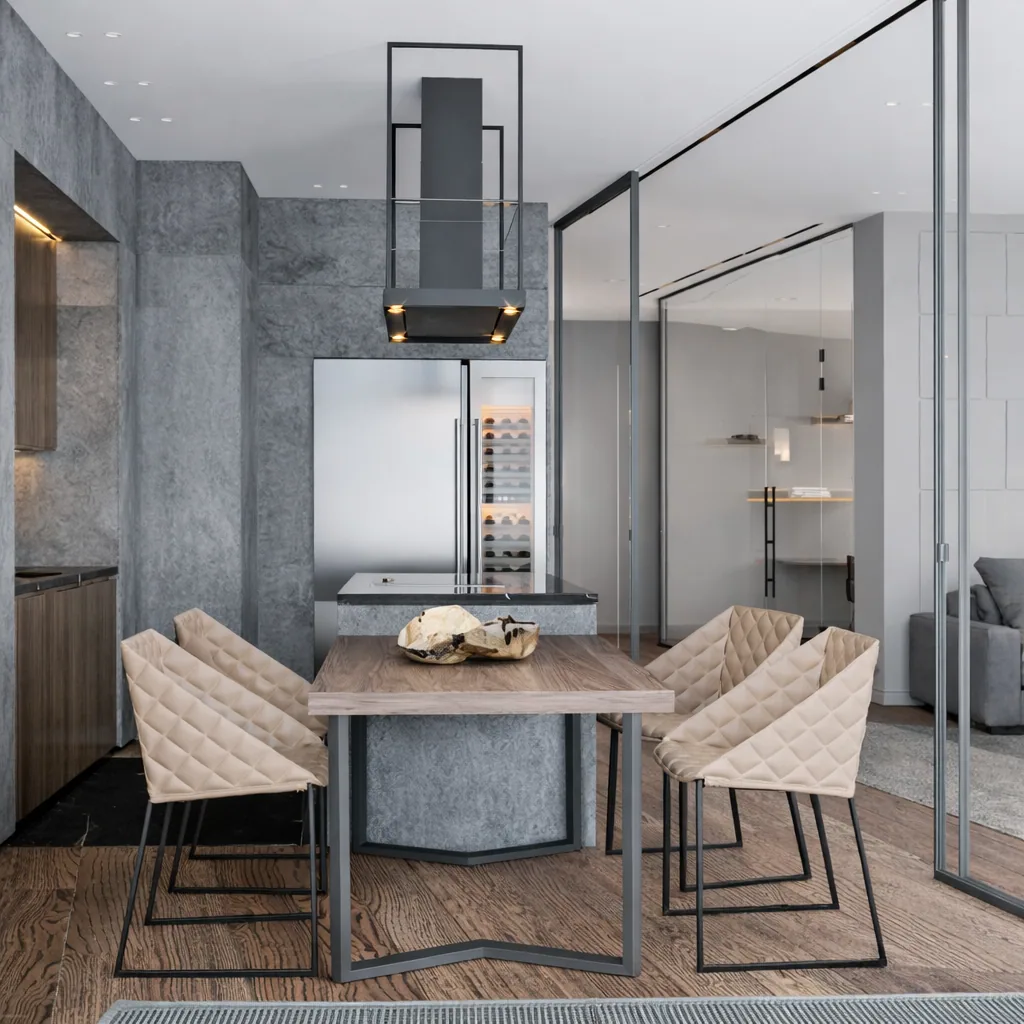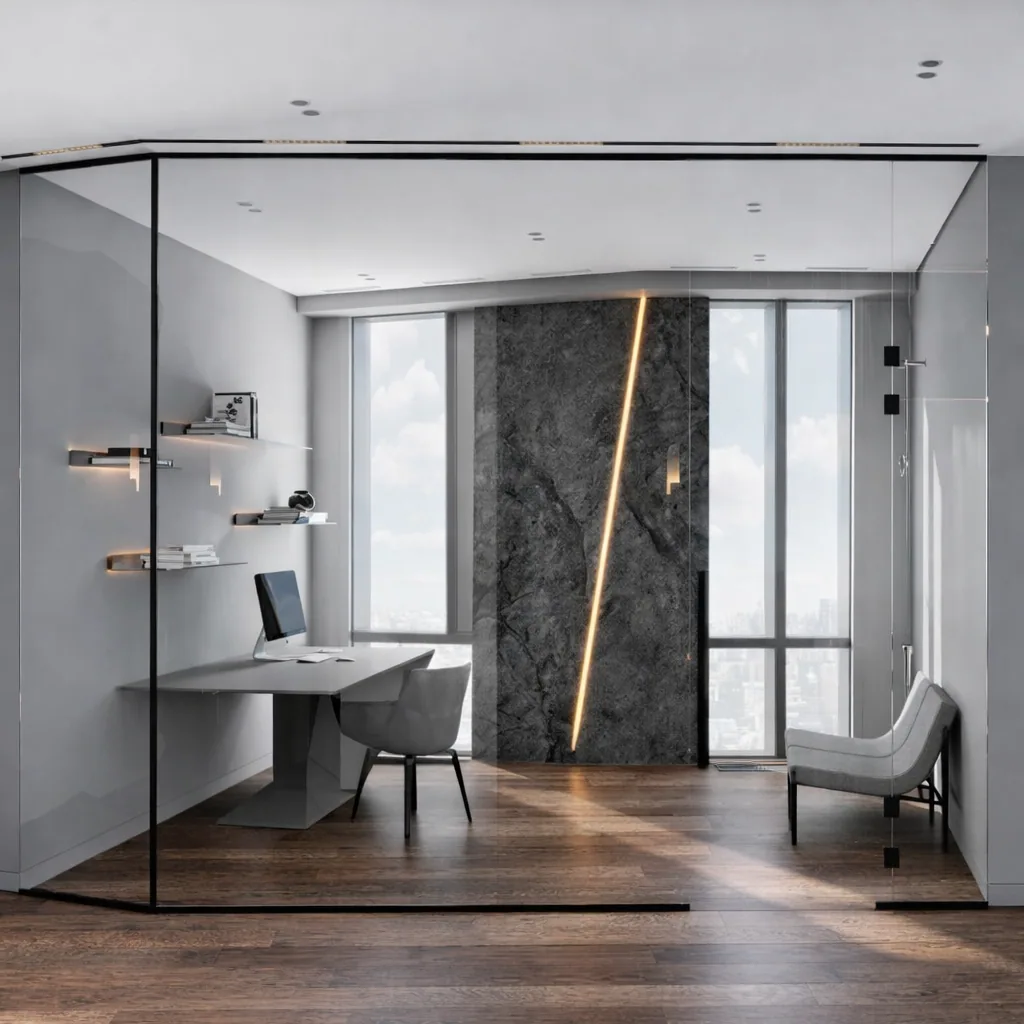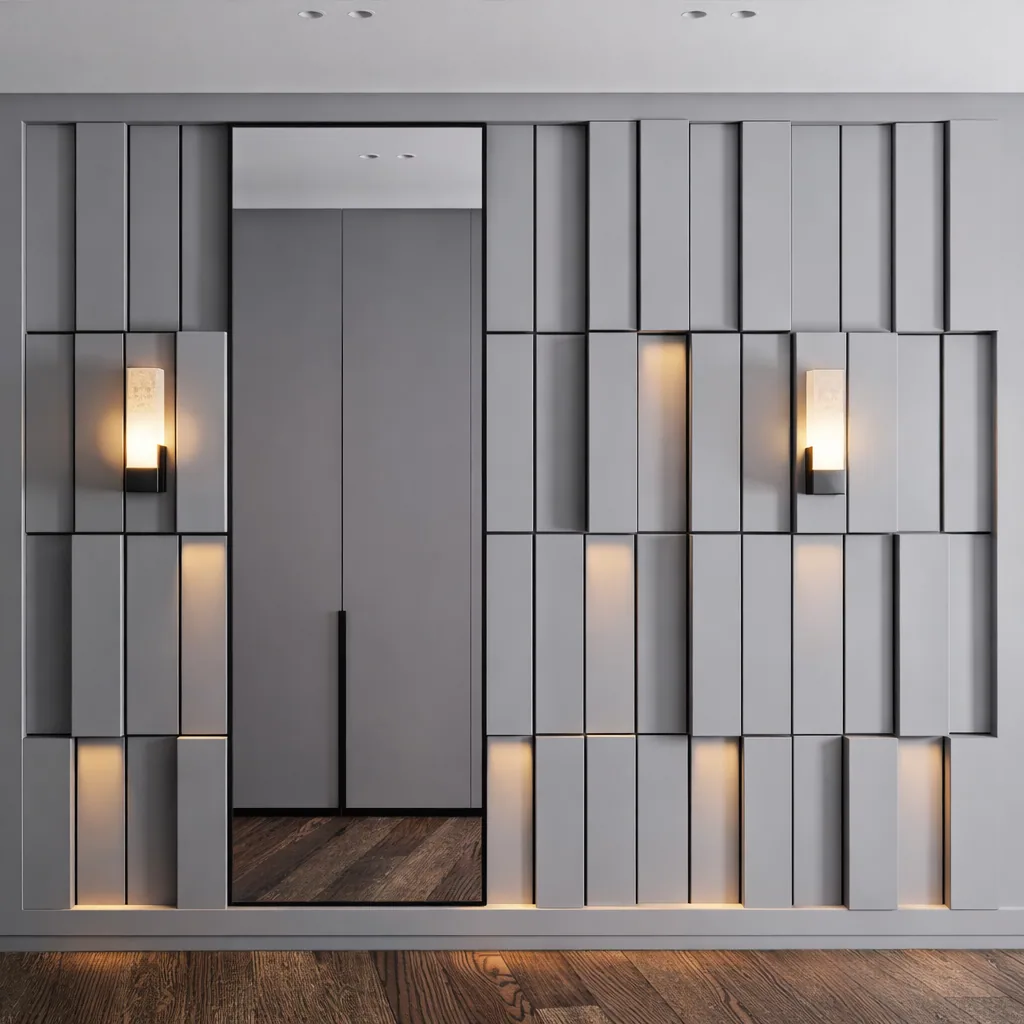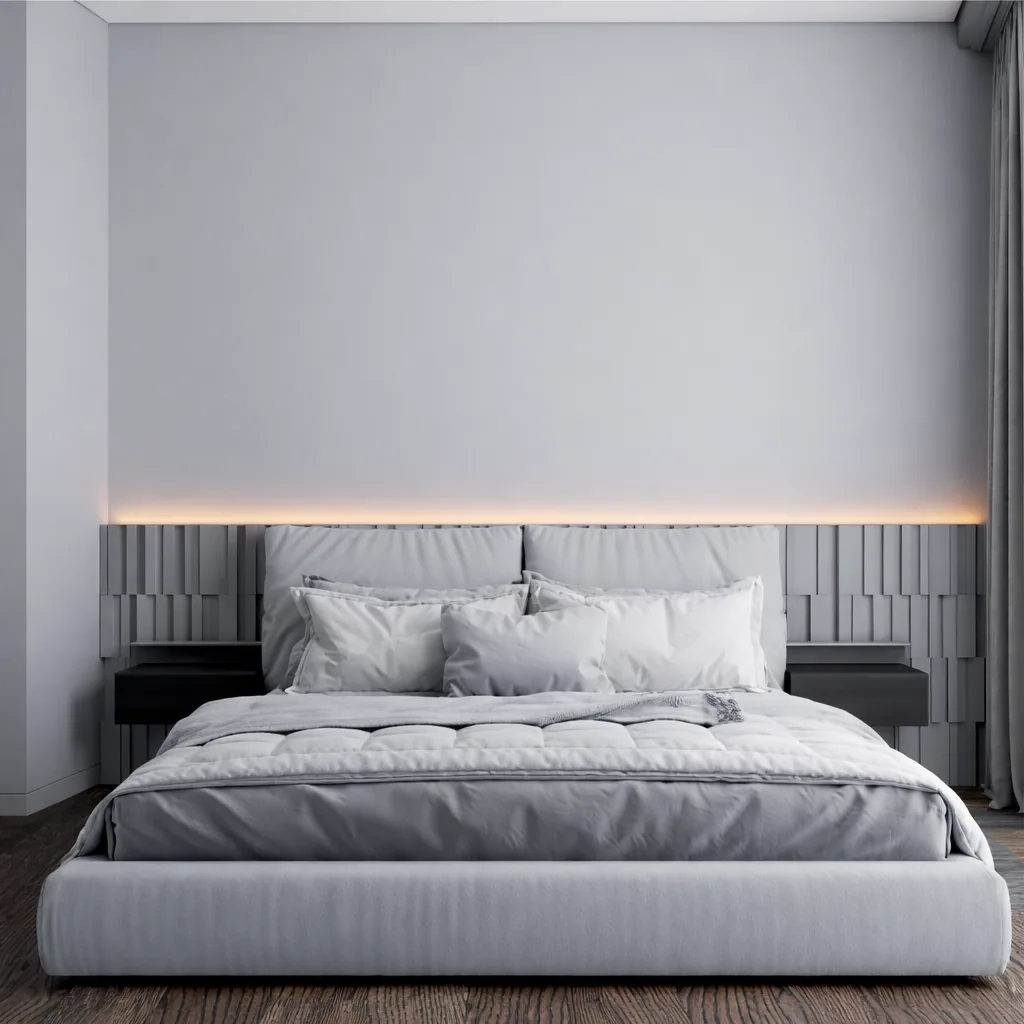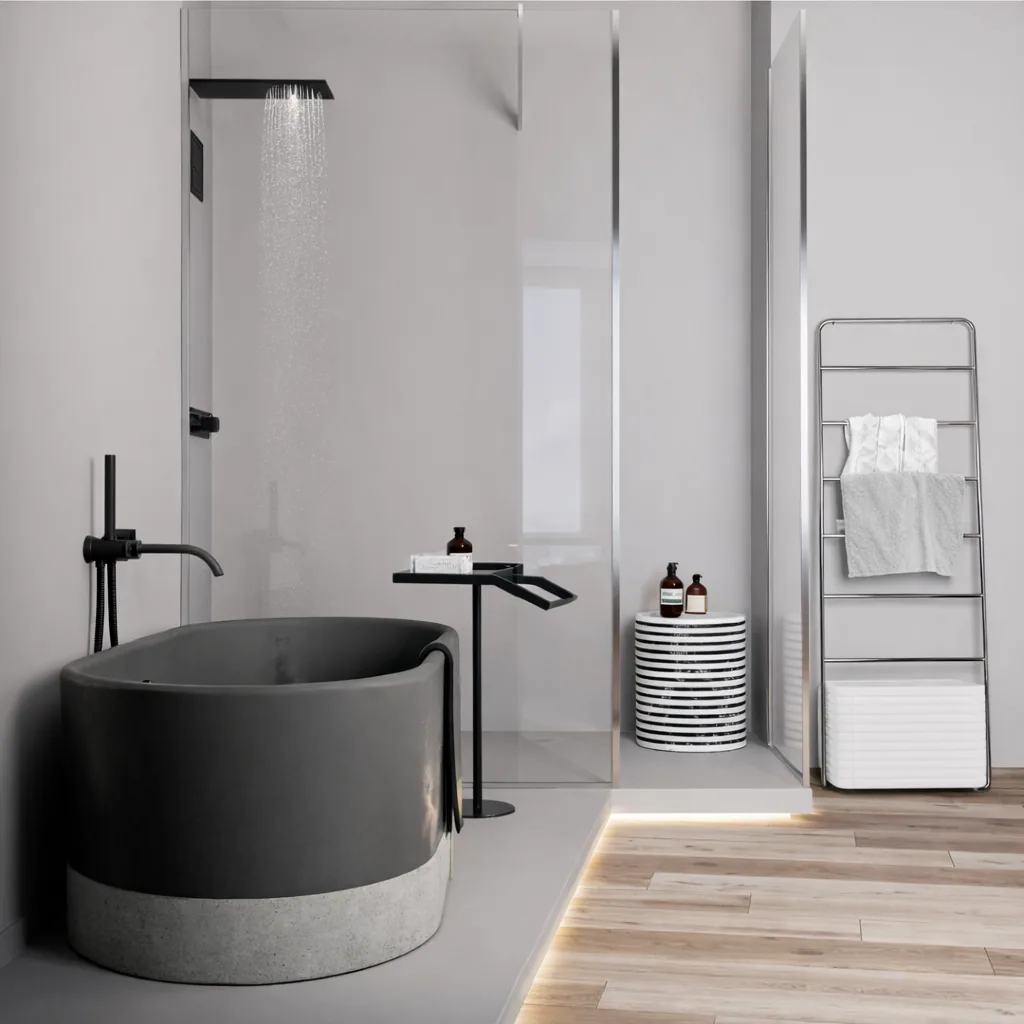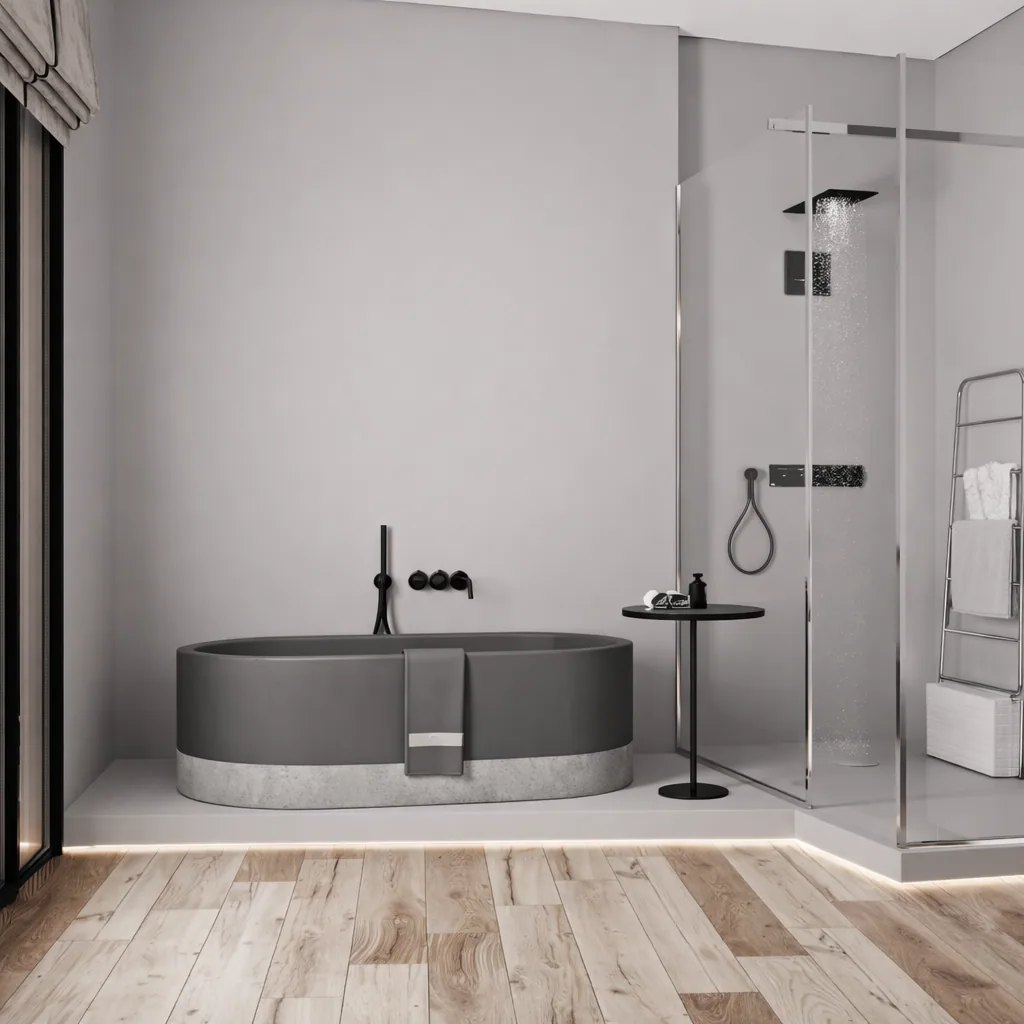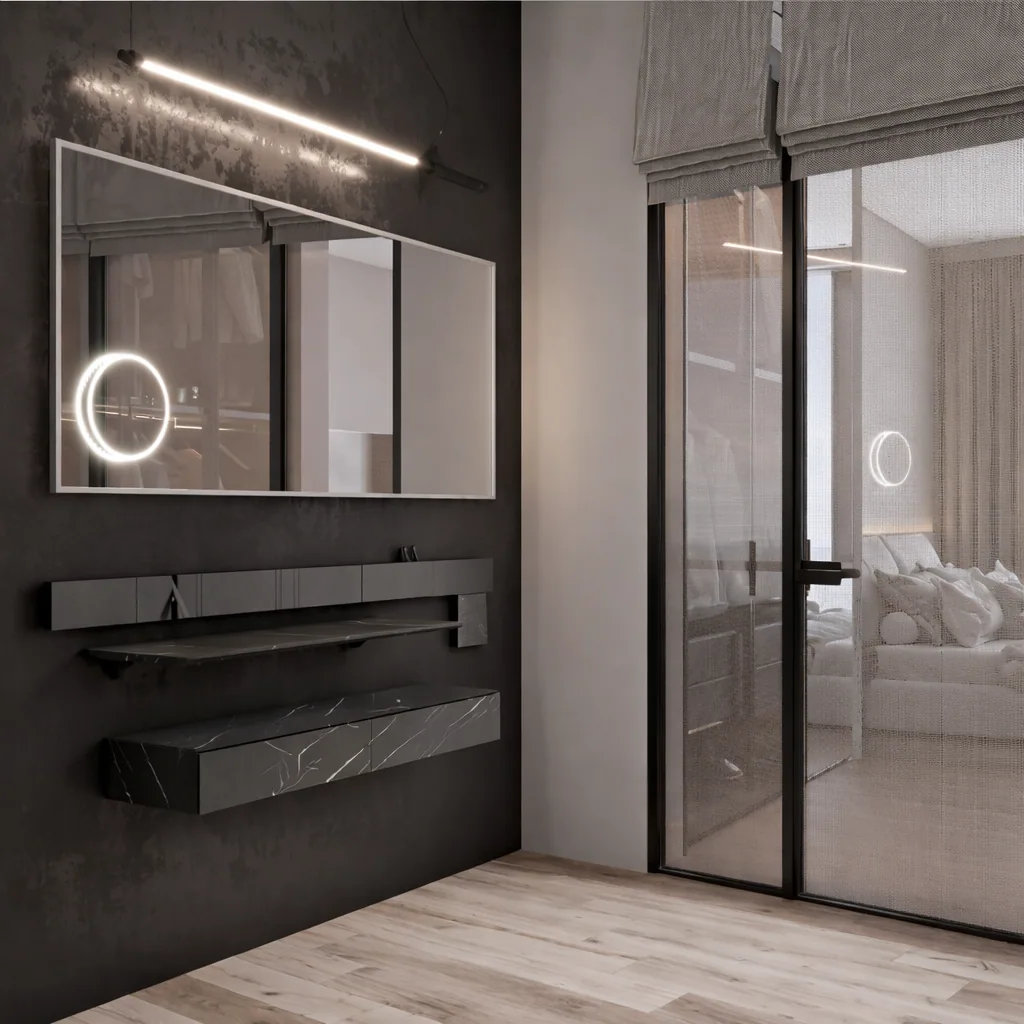

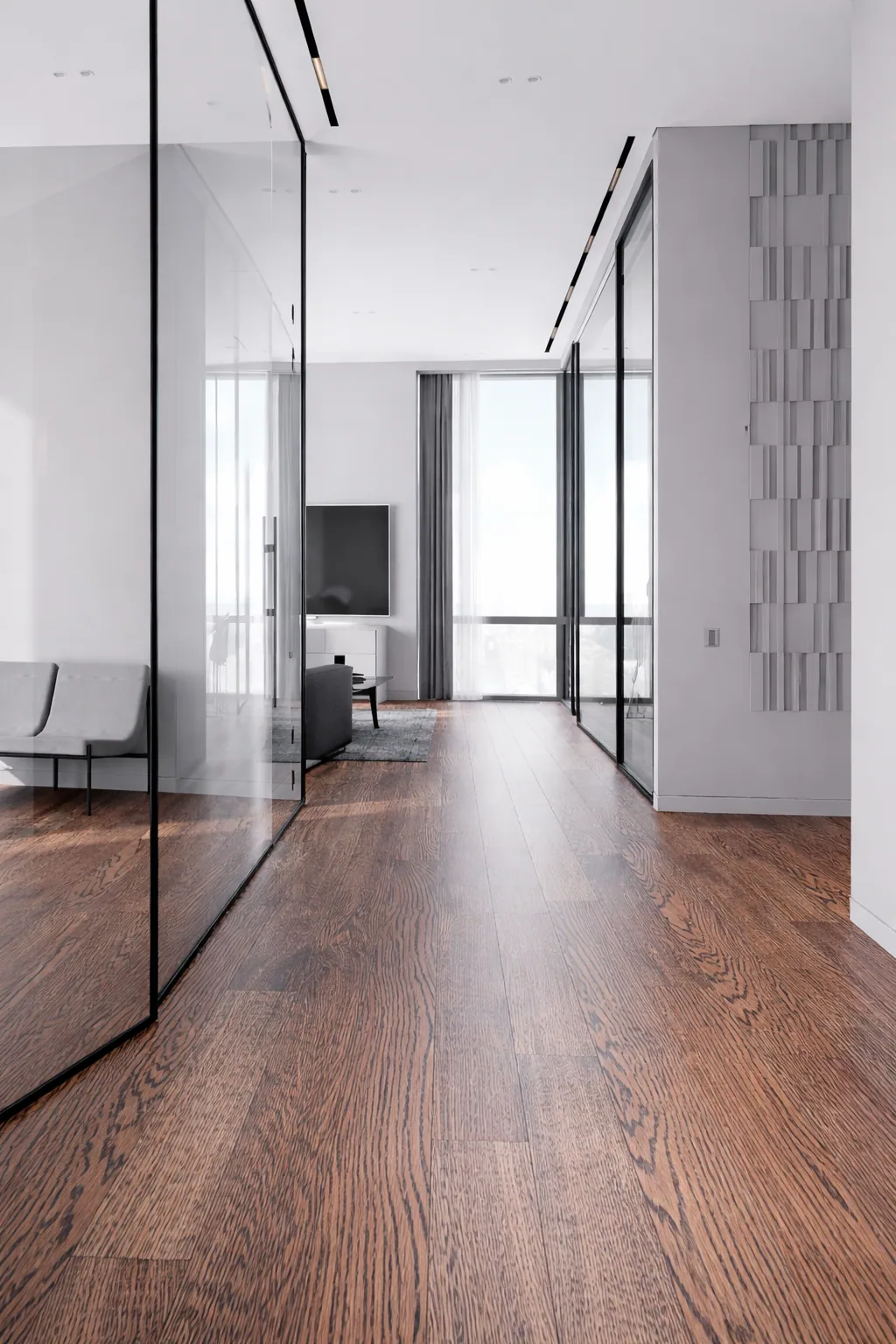
Long perspective through the Mosfilm apartment with timber flooring and glass walls

Name of the project

Mosfilm Rhythm

Main character

An apartment on Mosfilmovskaya where restraint is expressed through detail, proportion, and technology. Private client.

Setting

Mosfilmovskaya, Moscow

Mosfilm Rhythm

Overview

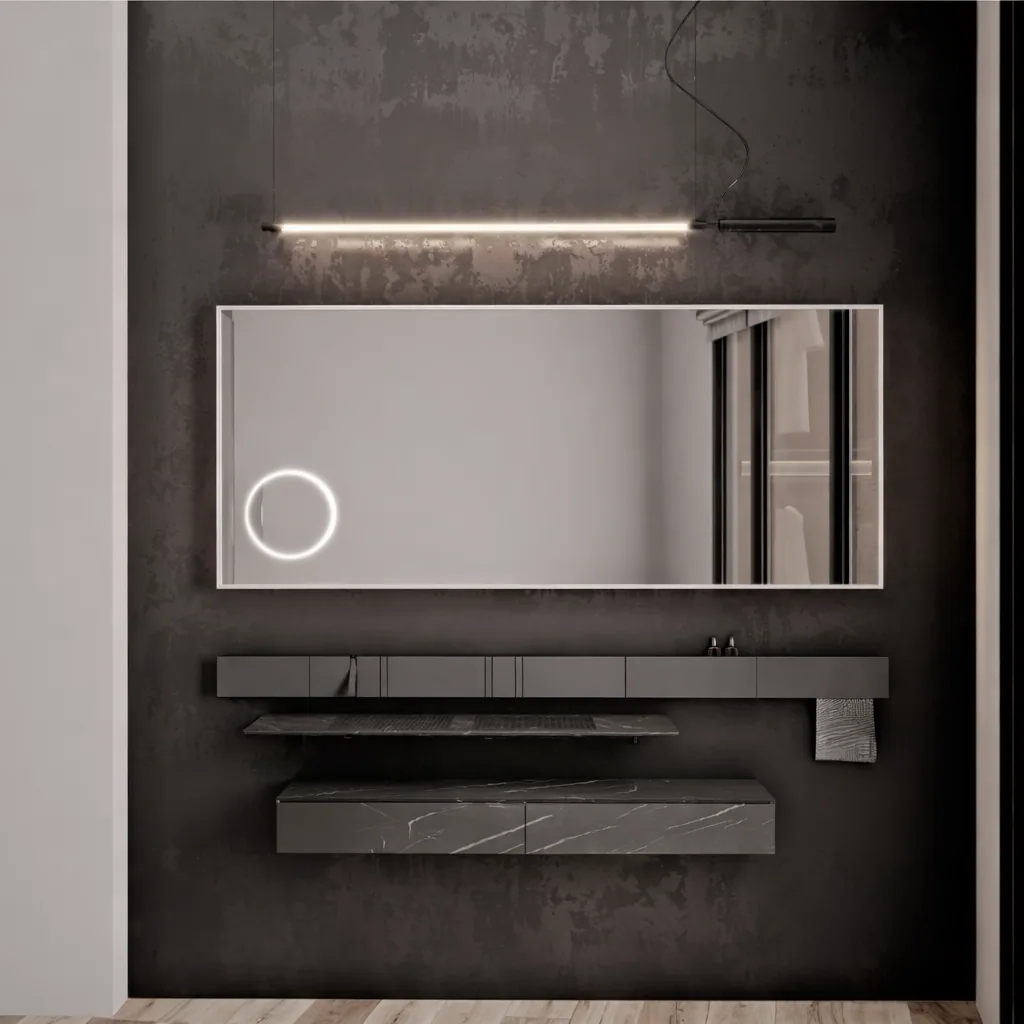
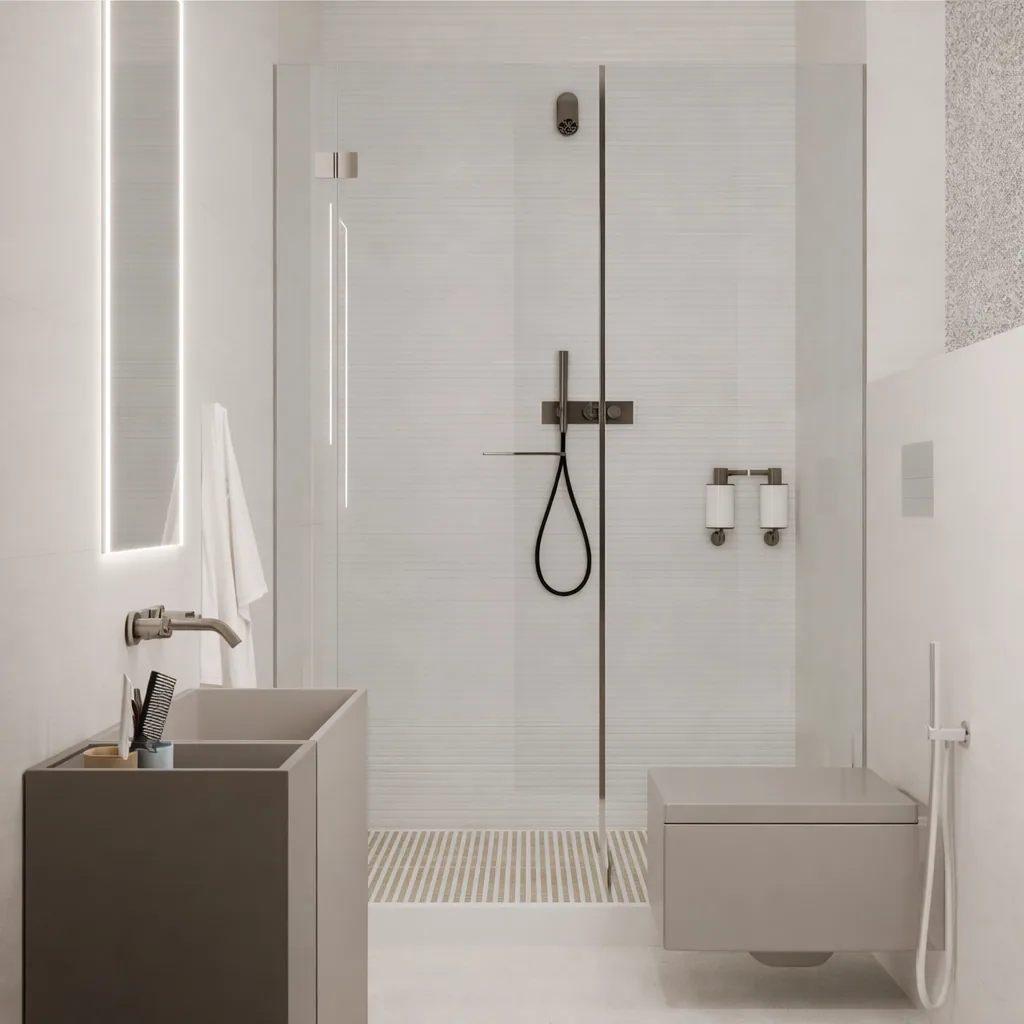
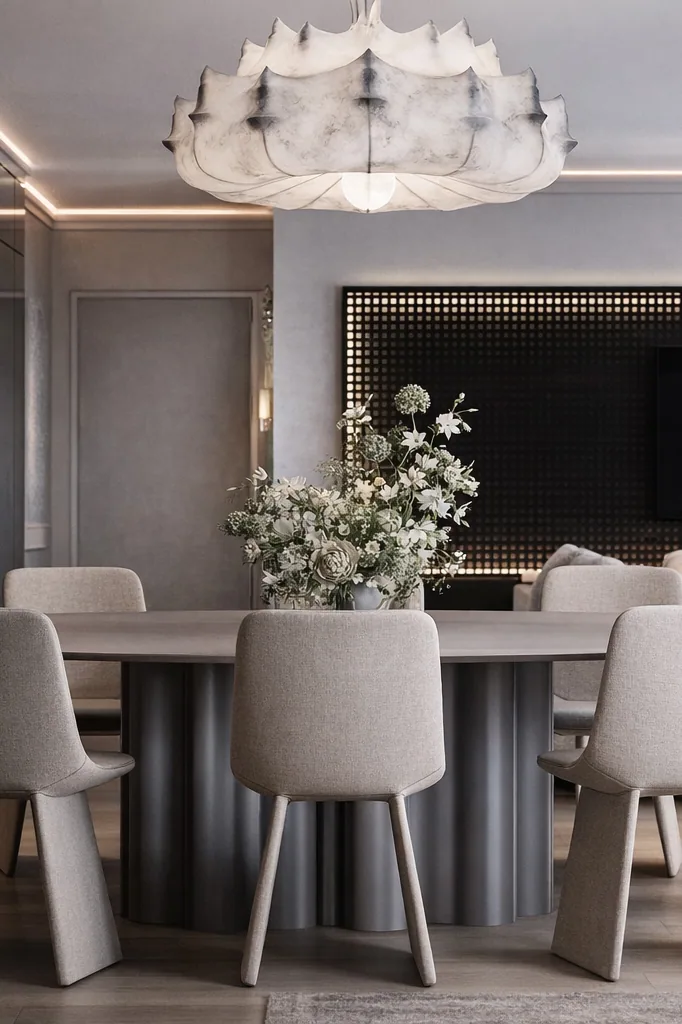
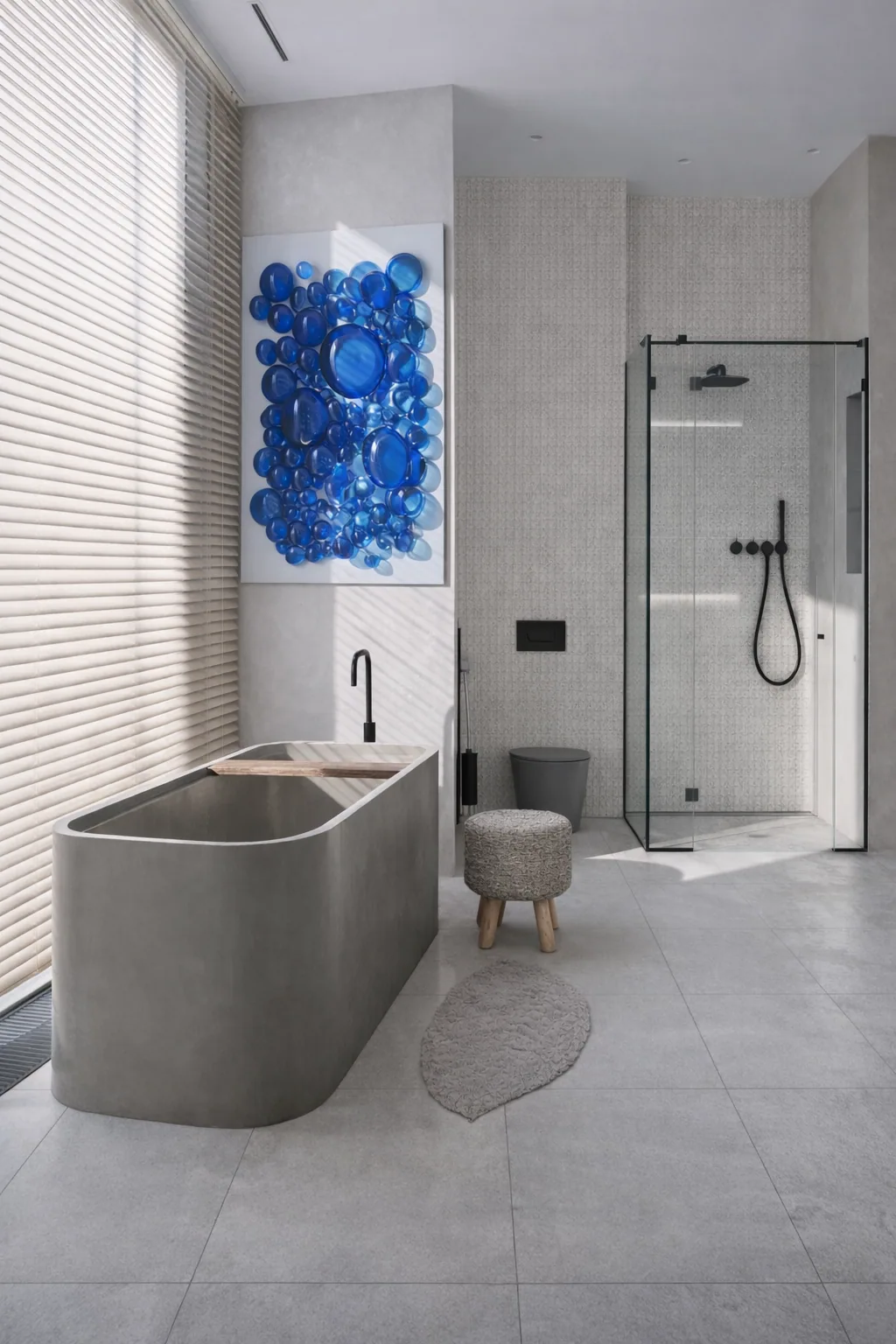
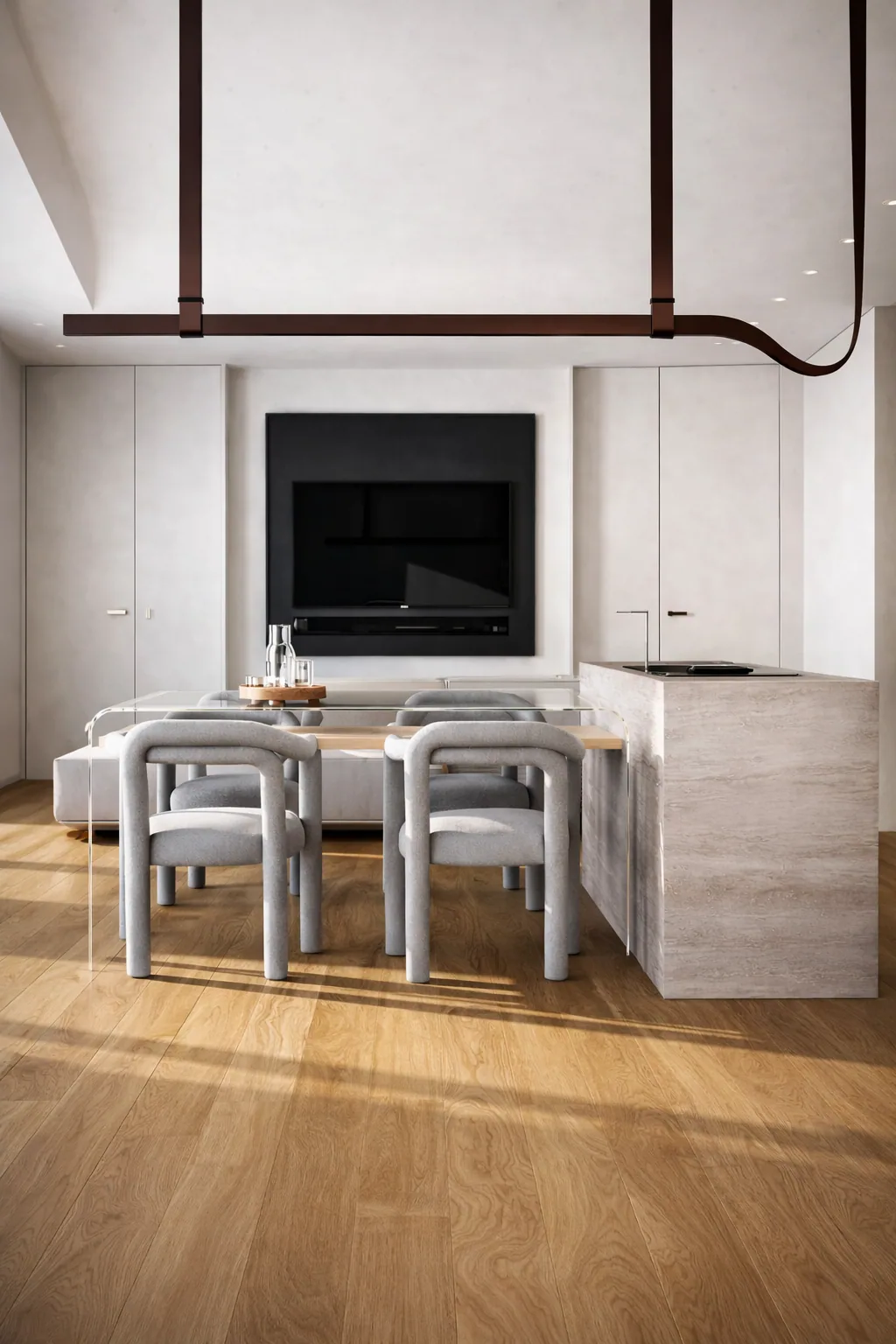
Mosfilm Rhythm is an interior shaped by precise geometry, transparent boundaries, and a carefully composed lighting sequence. The space is restrained without feeling austere. Glass partitions in slender dark frames, deep stone surfaces, warm timber grain, and soft integrated light create a calm, focused environment with a distinct character. Nothing is excessive; the impression comes from proportion, the rhythm of lines, the quality of junctions, and material discipline.
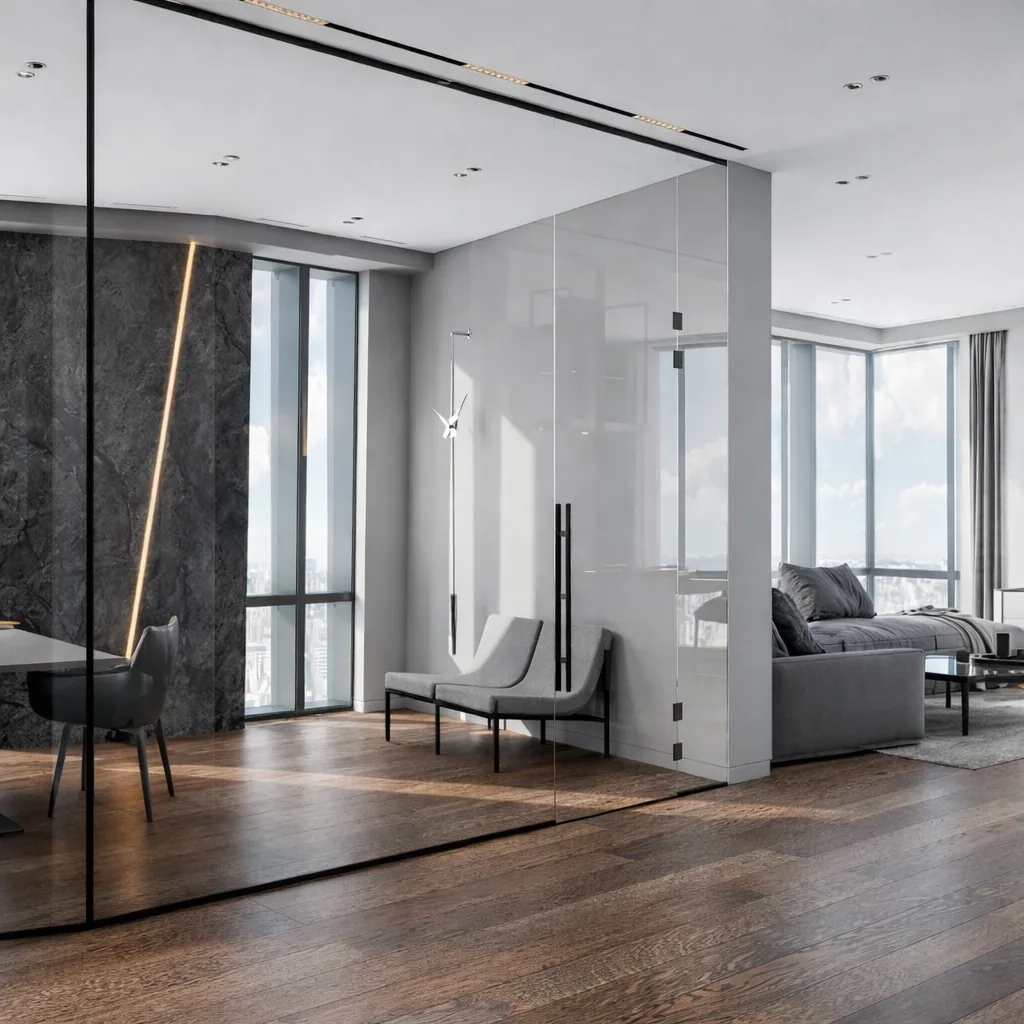
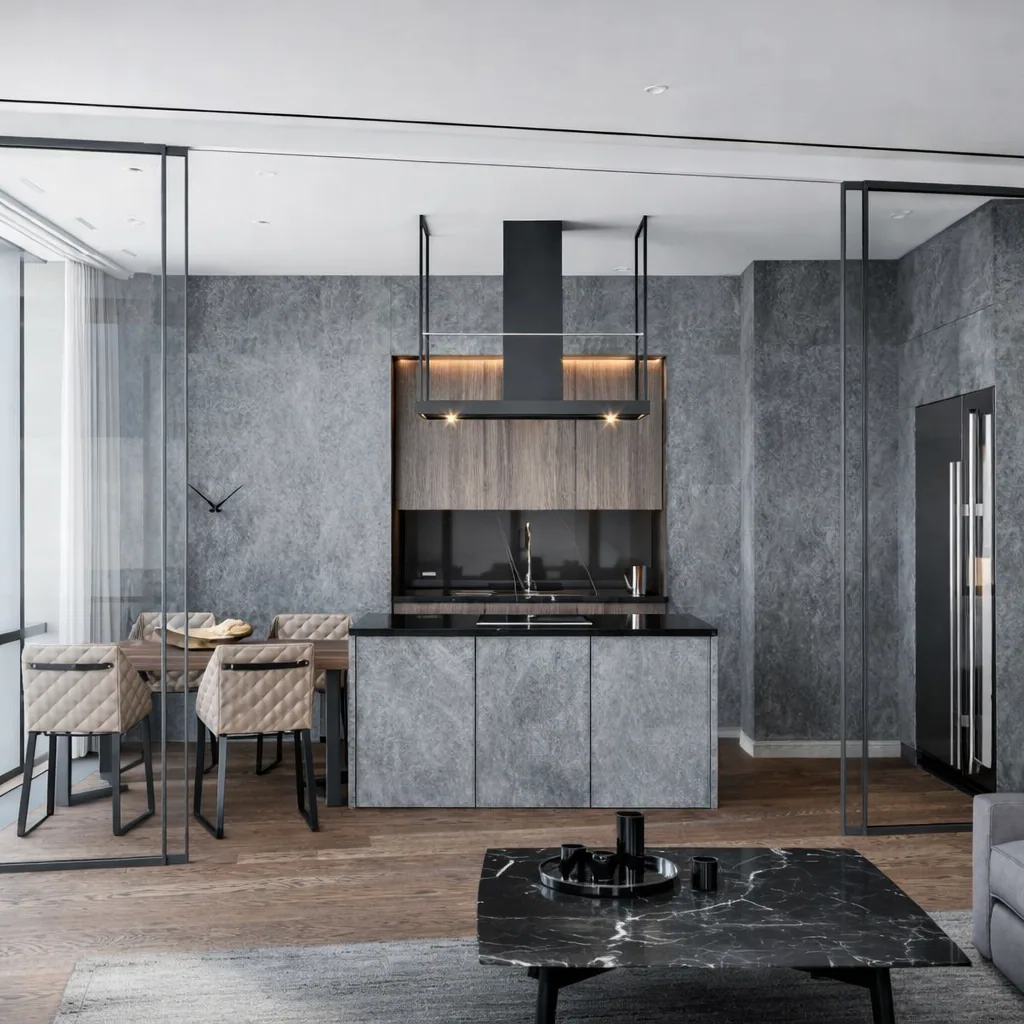
Beneath its visual restraint, the project is engineering-intensive. Ventilation, air conditioning, humidification, and heating operate as one coordinated comfort system, sustaining a stable and natural indoor climate. The technology is never made into a display, yet it provides the quietness, precision, and ease that become inseparable from the architecture of daily life.

The material palette combines engineered solid timber, high-durability interior paint, gypsum architectural details, microcement, and porcelain stoneware. Shadow gaps resolve wall and ceiling junctions, while a concealed skirting detail meets the floor. Kitchen fronts and adjacent planes are clad in ceramic. Electrical fittings sit flush with the walls, and lighting is integrated beneath the finishes with exceptional discretion. Technology does not compete with the image; it supports it.
The name Zariza

Engraving of historic Tsaritsyn by Adam Olearius, 1636

In 1663, a book by Adam Olearius, a German scholar and secretary to the Holstein embassy to Russia and Persia, included a plate with six engraved views of Russian cities.

Tetus, Samara, Soratof, Zariza, Tzornogar, Kusmamedianski. Olearius passed Tsaritsyn on 6 September 1636.

Partners and clients sometimes jokingly associate our name with royalty. We do not mind, although for us it is rooted above all in the history of a place.

The city’s name is associated with the Tsaritsa River. One explanation traces it to the Turkic “sary-su”, meaning “yellow river”; another links it to “yellow sand”.

The fortress in the engraving stands at a meeting of currents: goods and embassies travelled along the river, and routes crossed here. This image resonates with us. Design and implementation also form a system of many factors, whose parts need to work together.

The studio’s name is tied to the history of Tsaritsyn, a city at the confluence of the Volga and Tsaritsa rivers. Our first office opened here, near the Architecture University. The studio began work on 21 December 2012, the day a 5,125-year cycle of the Maya calendar came to a close.

“Art” was added later, when we registered the domain. The name retains our connection to our place of origin, while the studio’s work has long reached beyond its geography.

Brand Identity

Brand identity is a combination of visual, verbal, and emotional characteristics that make your brand recognizable and unique. It is a holistic system of meanings, images, and values that reflects the essence of the company and shapes how it is perceived by the audience.